
About the Kimberley Region
- The Kimberley is one of the nine regions of Western Australia.
- Located in the northern part of the state, it covers an area of 423,517 square kilometers (163,521 sq mi), making it three times the size of England.
- The region has fewer than 40,000 permanent residents, with Aboriginal people making up about 40% of the population.
- Major towns include Broome, Derby, Halls Creek, Fitzroy Crossing, Wyndham and Kununurra.
Let's hear from Jake: The Kimberley's Political Journey
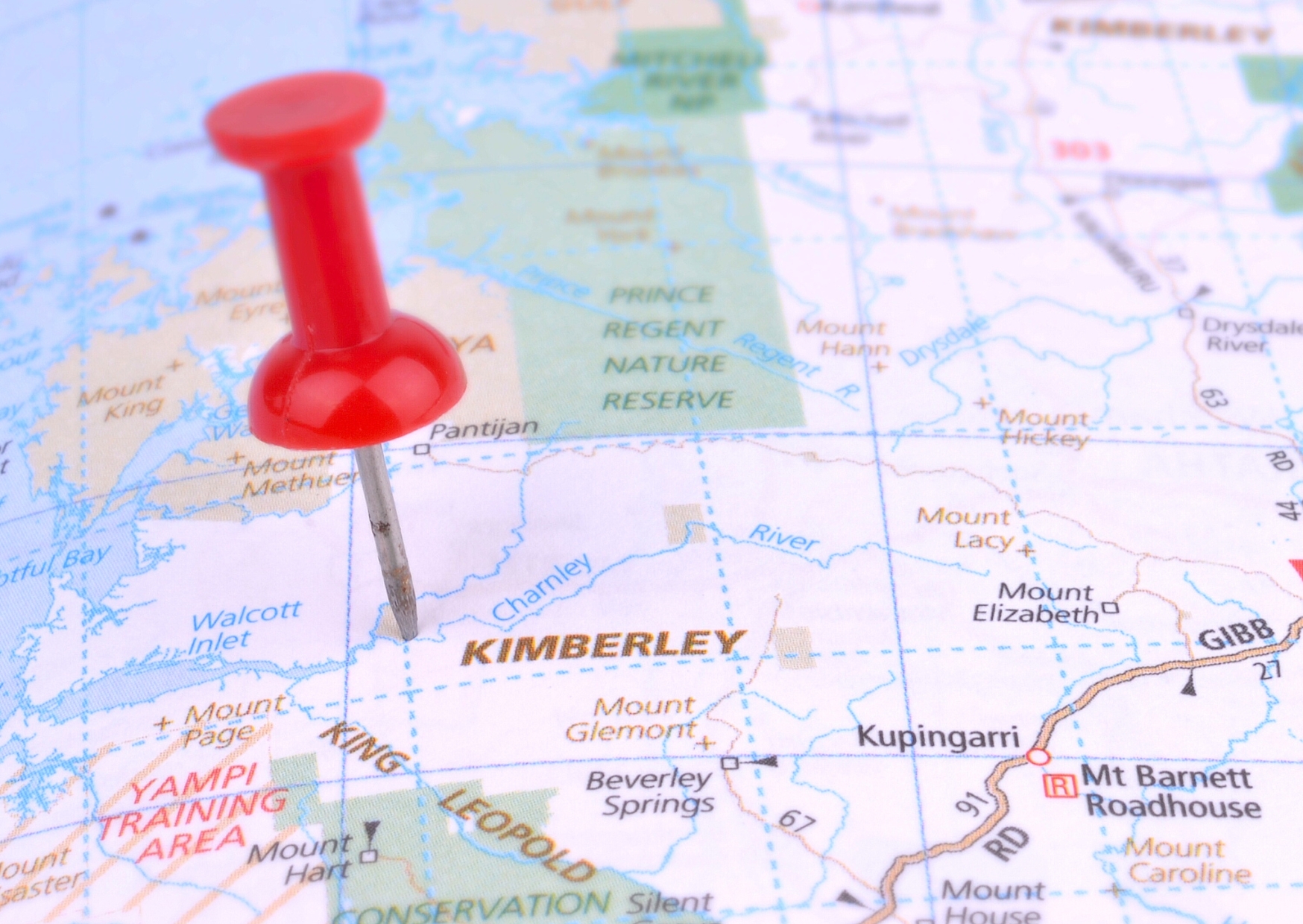
The Electoral District of Kimberley
Historical Overview
The Electoral District of Kimberley was a Legislative Assembly electorate in Western Australia from 1890 until 2008, when it was abolished in a redistribution of seats.
In 2013, a new Kimberley district was created, though with different boundaries.
Let’s walk through the Political Representation over time.
Kimberley Language Groups
Click on the image below to view.
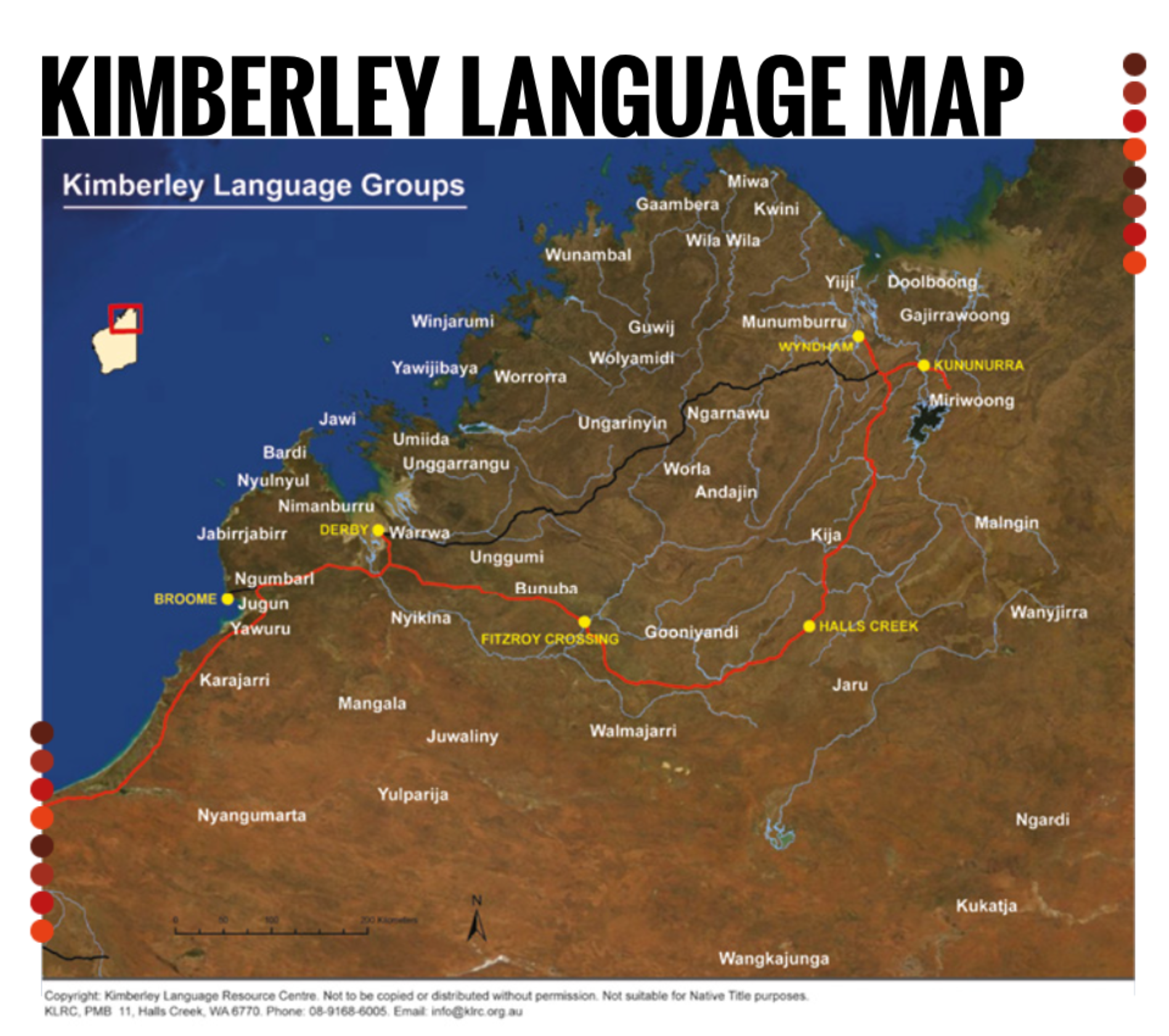
Click here to learn more.
During this time, the seat changed hands between various political groups, including:
- Conrad Ockerby Darlot (1890-1897) – Ministerialist
- Frank Connor (1897-1904) – Oppositionists/Labor
- Sydney Stubbs (1904-1908) – Ministerialist
- Arthur Male (1908-1917) – Ministerialist/Liberal/Nationalist
- Alexander Thomson (1917-1929) – Nationalist
- Aubrey Coverley (1929-1947) – Labor
Labor Dominance (1947-1977)
From 1947 to 1977, the Kimberley seat was held consistently by Australian Labor Party representatives:
- Aubrey Coverley (continued until 1953)
- John Joseph “Jack” Rhatigan (1953-1968)
- Malcolm John “Tom” Evans (1968-1977)
Bridge Era & Transition (1977-2001)
- Alan Ridge (1977-1980) – Liberal
- Ernest Francis “Ernie” Bridge (1980-2001) – Initially Labor, later Independent from 1996
- In 1980, Ernie Bridge became the first Aboriginal person elected to WA Parliament
- In 1986, he became the first Aboriginal Cabinet Minister in any Australian government
Final Years of the Original Seat (2001-2008)
- Carol Martin (2001-2008) – Labor
- Carol Martin became the first Aboriginal woman elected to any Australian parliament
- She represented the seat until it was abolished in 2008
New Kimberley Seat (2013-Present)
- Josie Farrer (2013-2021) – Labor
- A Kija woman who championed Aboriginal recognition
- Divina D’Anna (2021-present) – Labor
- A Yawuru, Nimanburr, and Bardi woman continuing the strong tradition of Aboriginal representation
Let's hear from Jake: Different Political Parties
Remember:
Consider what parties have actually done, not just what they promise
Ask representatives specific questions about Aboriginal issues
Our democratic voice grows stronger together
Research parties’ voting records on relevant legislation
Consult with local Aboriginal leaders about their experiences
Evaluate how different policies might affect your community